OHA (including its work as AABAT) has long held awareness and activities related to interconnected health and systemic crises and relationship to health and wellbeing, including Support Resources generated in response to COVID19, research and practice considerations around Climate and Polycrisis realities.
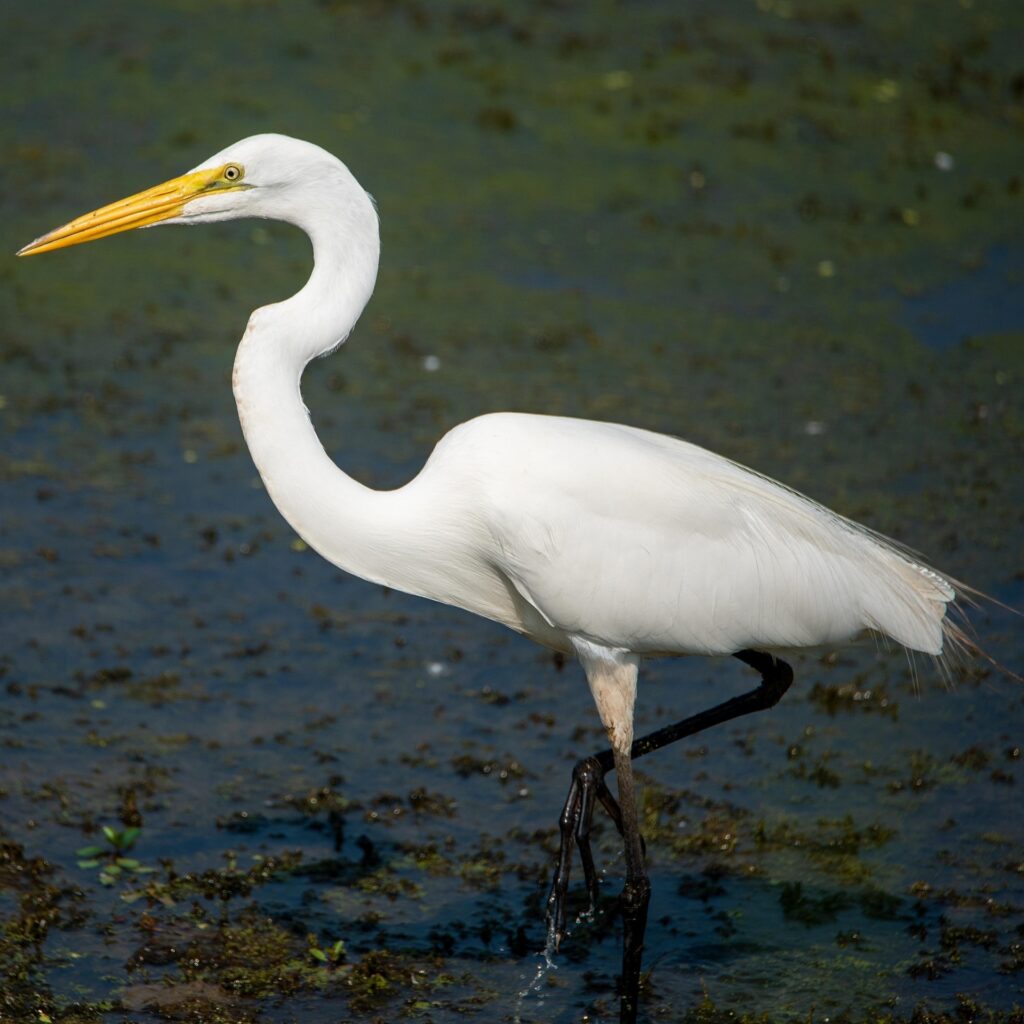
The recent arrival of the H5N1 bird influenza to the Australian mainland has highlighted some emerging issues for the outdoor health sector. While the physical risks to humans from H5N1 appear to be low, there are potentially significant mental health risks from observing the loss of species and potential mass mortalities of our iconic waterbirds and other vulnerable wildlife such as seals, dolphins and raptors. We have strong evidence for the mental health benefits that deep connection with nature brings whether through nature-based therapies, volunteering, outdoor education or everyday contact with nature. Major events such as H5N1 can be an another anxiety ‘load’ (on top of climate change, more fires, drought and the general loss of biodiversity…) for outdoor workers, volunteers, students and the broader community. We certainly hope that we don’t see the scale of wildlife mortalities seen in many other countries, but we do as a sector need to be prepared and work closely across disciplines. We can also use the outbreak as an opportunity to build stronger understanding of the interdependency between human health and healthy nature in shaping policy, programs and partnerships To stay tuned of the status of the outbreak and its impacts, see https://www.agriculture.gov.au/campaigns/birdflu and https://birdlife.org.au/h5n1-avian-influenza/?srsltid=AfmBOopSwjTHVjoB4Wxa6LN8y9ErH8eTuY-quOa-pQ-YyhDRtvZH5m-y