2026 National Outdoor Education Conference
Reflections on inclusion, connection and the broader dimensions of safety at NOEC 2026
Contributed by OHA Treasurer and Educator Kalindi Brennan.
Over four days, the 2026 National Outdoor Education Conference (NOEC) in Cairns provided a wonderful opportunity to connect with educators, practitioners, researchers and sector leaders from across Australia, sharing ideas and exploring the evolving practice of outdoor education.
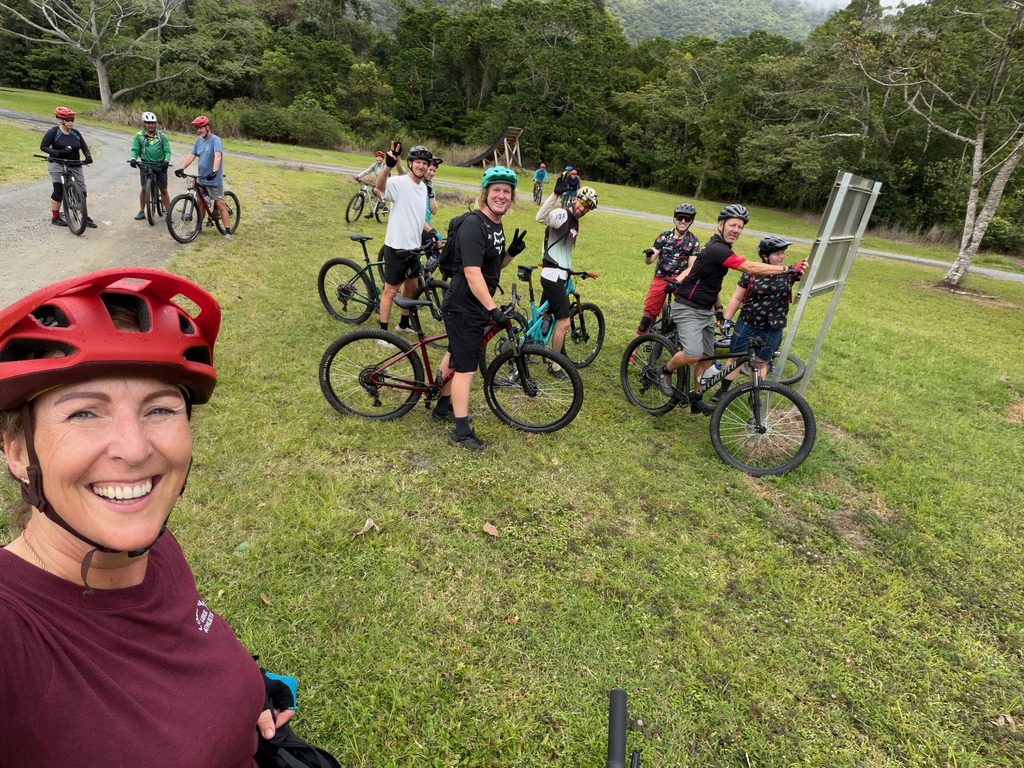
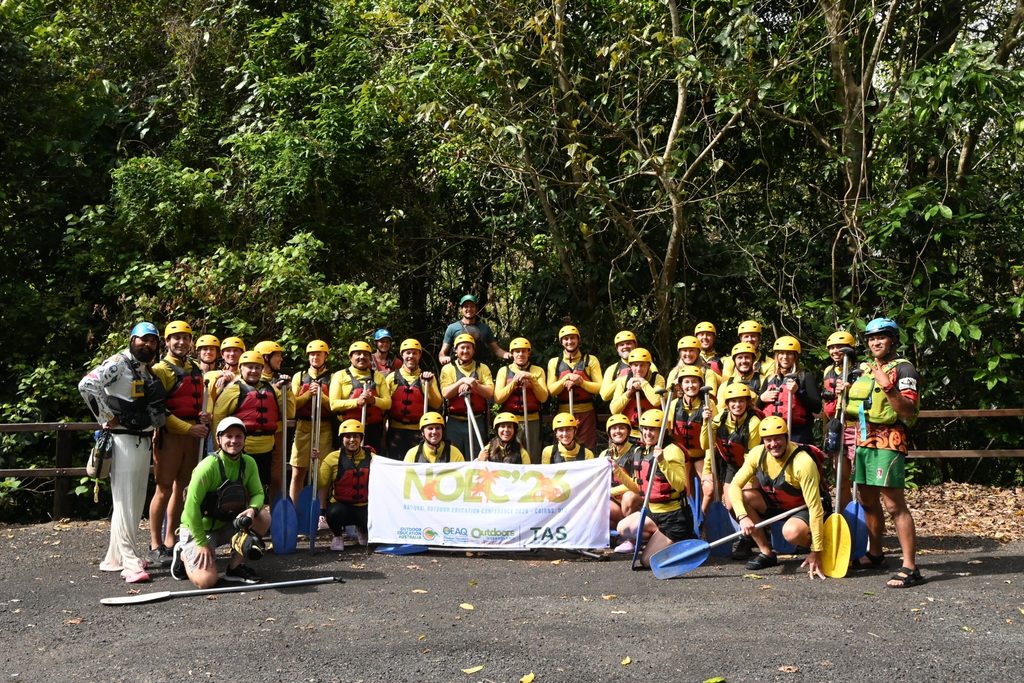
The conference explored eight key themes: Curriculum and Pedagogy; Safety and Risk Management; Country, Culture and Place; Diversity and Inclusion; Sector and Professional Development; Sustainability, Environmental and Climate; Learning and Program Design; and Global and Future Directions. Alongside presentations and interactive workshops, field day activities provided opportunities for experiential learning, professional exchange and connection with the unique environments of Far North Queensland.
For me, the conference was also an opportunity to champion some of the principles that sit at the heart of Outdoor Health Australia: recognising the whole person, nurturing meaningful connections and creating environments where people feel safe, included, respected and empowered to participate.
These themes came together through my workshop, The Risks We Don’t See: Beyond Physical Safety in Outdoor Education, and through my involvement in the NOEC organising committee and conference mentoring initiative.
The Risks We Don’t See: Beyond Physical Safety in Outdoor Education
Outdoor education has a strong and well-established culture of physical risk management. We invest considerable time and expertise in identifying hazards, assessing environments, developing procedures and preparing for safe participation in outdoor activities. Yet some of the most significant risks experienced by participants are not always visible or easily captured in a risk assessment.
What happens when someone feels excluded, overwhelmed, disconnected or unable to express their needs? How do we recognise when a participant’s sense of psychological, emotional, social or cultural safety is being compromised? And how might our own assumptions about resilience, challenge and participation unintentionally create barriers to meaningful learning? These questions formed the foundation of my interactive workshop at NOEC 2026.
With 55 participants in attendance, the workshop attracted strong interest in exploring a broader, more holistic understanding of safety and risk. For me, this level of engagement was encouraging and suggested a growing appetite for conversations that align closely with the principles and practices underpinning Outdoor Health.
Together, we explored how physical, psychological, emotional, social and cultural dimensions of safety interact, and how practitioners can become more attuned to the needs, experiences and perspectives of the people in their care. The workshop invited participants to consider risk through a broader biopsychosocial and cultural lens, recognising that people’s responses to outdoor experiences are shaped by their histories, relationships, identities, environments and individual capacities.
Importantly, this is not about removing challenge or discomfort from outdoor learning. Meaningful challenge can provide powerful opportunities for growth, agency, connection and self-discovery. Rather, it is about developing the awareness, relationships and responsive practices that help us distinguish between productive challenge and experiences that may compromise a person’s wellbeing, dignity or sense of belonging.
It also requires us to reflect on whose perspectives inform our decisions, whose needs may be overlooked and how we create opportunities for participants to exercise choice, communicate boundaries and experience genuine agency. These considerations are particularly relevant across Outdoor Health settings, where relational practice, trust, inclusion and responsiveness are fundamental to ethical and effective engagement.
A heartfelt thank you to Becky Harth and Ben Knowles for so generously sharing their work, expertise and insights, and for supporting the development of this interactive workshop. Their contributions helped bring depth, practical relevance and different perspectives to the conversations and activities, enriching the opportunity for participants to reflect on their own practice.
Inclusion, Diversity and Access: From Intention to Practice
Alongside presenting at NOEC, I had the privilege of contributing to the conference organising committee. One of my priorities throughout the planning process was advocating for diversity, inclusion, access and representation to be considered as integral to the conference experience, rather than additional considerations. This included encouraging attention to how delegates might experience the conference differently, the potential barriers to participation and the practical supports that could help people feel welcomed and connected.
Conferences are often energising environments, filled with opportunities to learn, network and collaborate. Yet they can also be overwhelming or difficult to navigate, particularly for first-time attendees, emerging practitioners, people attending independently or those with additional access and support needs.
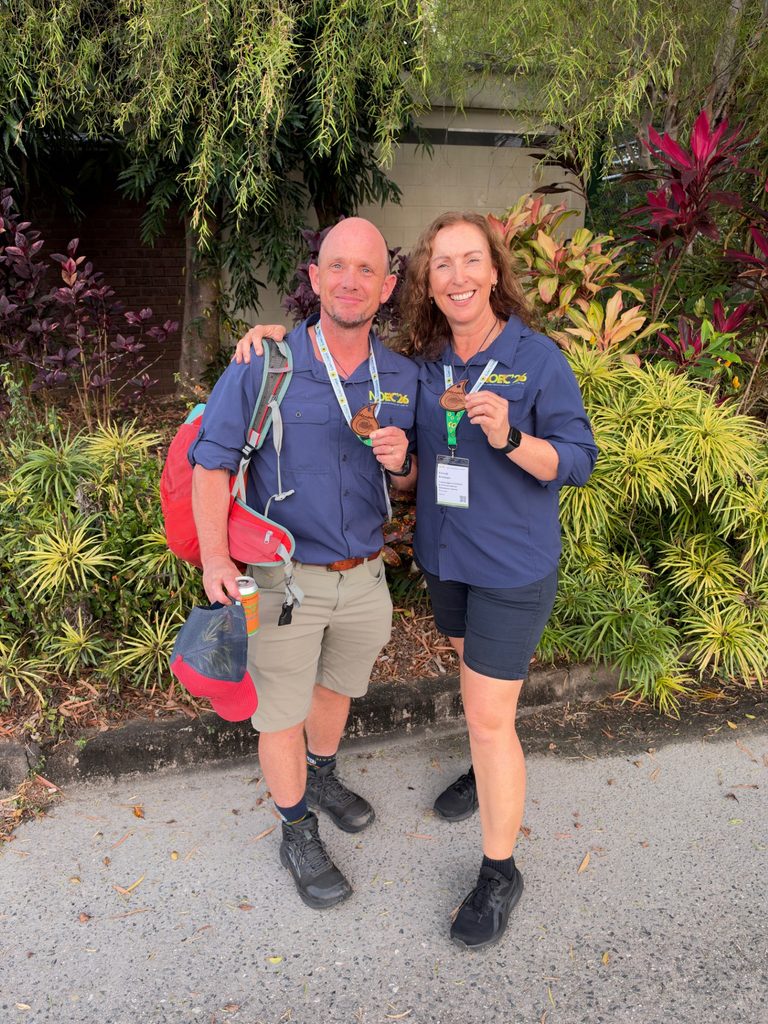
One practical initiative I led was the introduction of Conference Mentors, providing accessible, on-the-ground support for delegates throughout NOEC. Alongside fellow NOEC committee members and experienced outdoor educators Brendon Munge, and Robyn Fox, both from the University of the Sunshine Coast, I had the pleasure of serving as a conference mentor.
The initiative was introduced to delegates before the conference and incorporated into the conference proceedings, making the support visible and accessible. Together, we supported delegates to connect with others, navigate sessions and opportunities, build relationships across professional networks and find a familiar face when needed. Importantly, the role also included supporting conversations around inclusion, diversity and access, helping delegates identify pathways to participate more fully in the conference experience.
Sometimes this meant introducing people to colleagues with shared interests. At other times, it involved helping someone navigate the program, find a relevant professional connection or simply having a conversation with someone who appreciated a friendly face. These small interactions can make a meaningful difference to how people experience professional spaces.
Continuing the Conversation
NOEC 2026 reinforced for me the value of bringing different professional perspectives together, learning with and from one another and creating space for conversations that extend beyond established approaches to practice. The strong engagement in The Risks We Don’t See workshop was particularly encouraging, highlighting the relevance of broader understandings of safety, resilience and inclusion across our sectors.
For those working across outdoor health, outdoor education, therapeutic outdoor practice and related fields, there is much to be gained from continuing to share our approaches and learn from one another. Our settings and purposes may differ, but we share a responsibility to recognise the whole person, build trusting relationships and create environments that support wellbeing, agency and meaningful participation.
I am grateful to the many delegates who contributed their insights, questions and experiences, and to everyone who generously shared their knowledge, energy and collegiality throughout the conference. As our professions continue to evolve, I hope we remain curious about the risks we may not immediately recognise, attentive to the people and perspectives we may unintentionally overlook, and committed to creating environments where people can participate, contribute, connect and thrive.